
Blog
Payment routing: understanding the term and why it makes sense for you
Hi, this is Sensus team speaking and today we want to talk about how today's digital economy doesn't tolerate failures. Merchants, providers, acquirers – pretty much all of us – are judged as much by their payment success rates as by the products/services they sell.
Setting a term
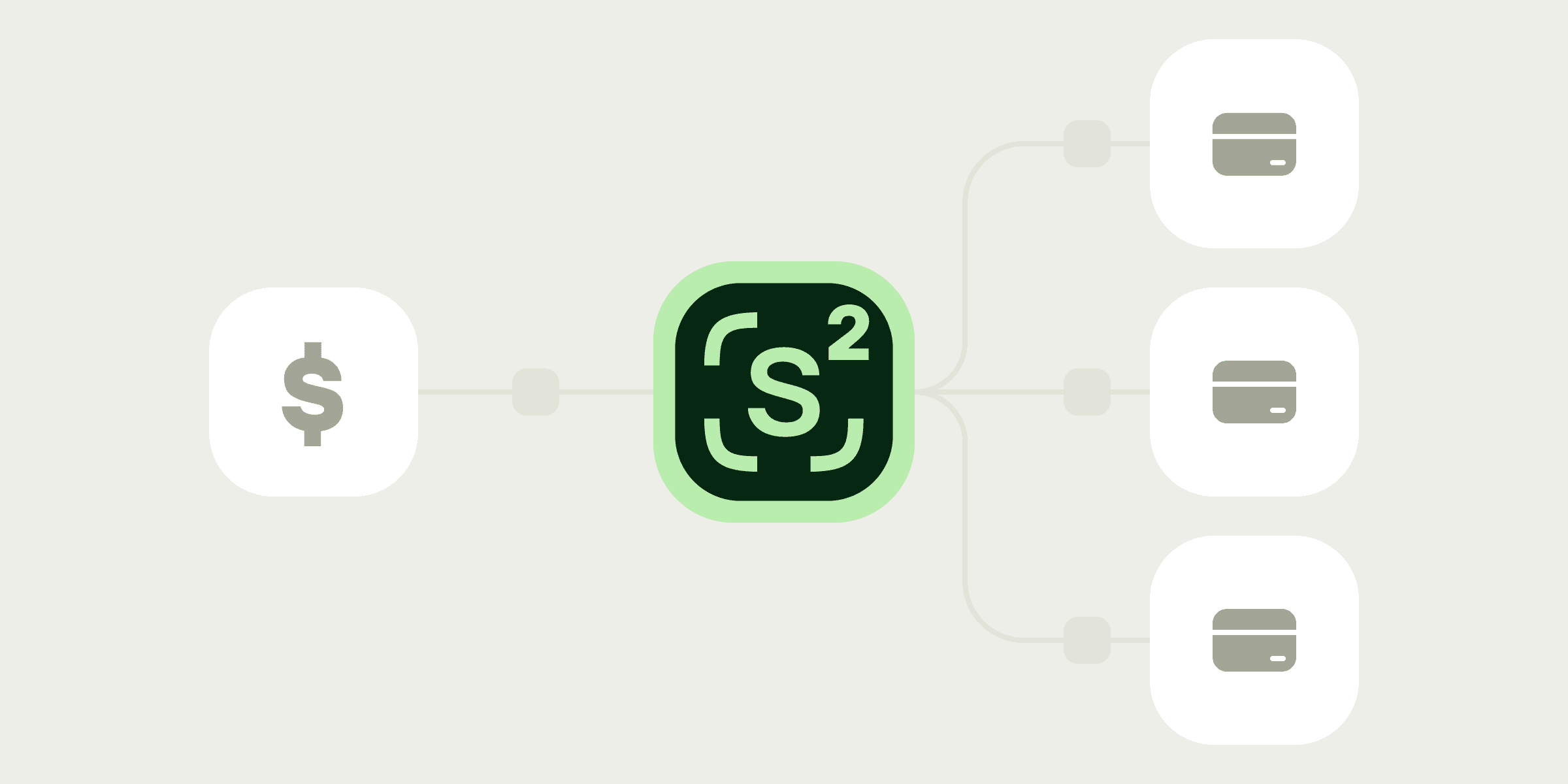
At its simplest, payment routing is the process of directing every transaction through the most efficient pathway to approval. Instead of sending every payment through one default processor, a routing engine evaluates multiple options. If your payment partner build a right setup, payment routing will think in real time about costs, success likelihood, available networks and regional specifics – and then simply choose the best route. If a route fails, intelligent systems automatically switch (or cascade, but this a term for another article) the transaction to an alternative provider in the same session. Pretty neat, right?
Why payment routing matters
#1 – Higher Approval Rates
For merchants, the most tangible benefit of payment routing is an increase in payment authorisation rates (or conversion, if you please). Static processing – where every transaction goes through a single provider – means declines from that provider are irreversible. Routing, by contrast, uses performance metrics and dynamic logic to favour networks with stronger success histories. According to industry analysis, intelligent routing and orchestration can lift authorisation rates by roughly 9.5 percentage points compared with baseline single-provider processing.
Higher approval rates translate directly into revenue. Even a few percentage points can make a meaningful difference for high-volume merchants. This is especially true for cross-border payments, where customer journey may differ, and regional card preferences as well as network conditions vary widely.
Payment orchestration is a complex system, but it delivers the results that last. We know all it's whereabouts – that's why we launched Sensus. Read all about it here.
#2 – Lower cost per transaction
Smart routing. Approvals are good, but smart routing can also boost your cost efficiency. When merchants connect with multiple payment service providers (PSPs), routing engines can evaluate processing fees, interchange charges and regional cost structures before choosing the path that yields the lowest net cost. By optimising this decision at the transaction level, businesses can reduce overall processing expenses without sacrificing performance.
For merchants with annual processing volumes in the tens of millions, a small percentage reduction in fees adds up. Cost savings become a strategic advantage rather than an operational side effect.
That's why Sensus has the best options for big companies with large turnovers. From tailored white-label solution to advanced analytics – it can all be a part of your business routine. And it will make Sense.
#3 – Resilience and business continuity
Payment systems are prone to intermittent outages or latency issues – whether from the merchant's own provider, an acquirer, or a regional network. Without routing logic, a single point of failure can disrupt the entire checkout flow. Routing with fallback mechanisms ensures that if one provider is unreachable, transactions are automatically re-routed to another, reducing downtime and lost conversions.
This resilience matters most during peak demand, like flash sales or seasonal spikes, when even minor interruptions can erode customer confidence.
#4 – Better global reach
Global merchants face a patchwork of local acquiring banks, regional payment methods and card networks that behave differently across markets. A geo-aware and local-optimised payment routing strategy can direct transactions to regional acquirers with higher success rates or lower costs. This will smooth the path for international growth.
Without smart routing, a transaction initiated in one geo might be processed through a suboptimal route in another, driving unnecessary declines or higher fees.
So, what makes routing "smart"?
Short answer is our experience that we invest in it. But in read through all this next, you certainly want to know more, right?
So, intelligent payment routing uses rules, analytics and increasingly real-time performance data to make decisions. Static routing uses predefined routes regardless of performance – while more advanced next-gen systems incorporate a wide range of factors, such as issuer behaviour, customer location, bank card type and historical approval success to influence decisions on the fly.
Sensus creates 'smartness' thanks to the 'decision tree' structure we use for routing. And how it's different from the others? Well, most routing rules and provider selection setups are written to be complex. It's understandable by nature, but creates flaws because this is one the most crucial and responsible steps. You can't set it once and forget. Conditions change, providers shift – and your mistakes and lack of swiftness reaction may lead to the financial losses and even fines due to regulatory violations.
So, mistakes grow from when you can't keep the pace in work changes, using the inflexible system. Been there, totally get it. That's why the decision tree works so well. You can change rules by using well-known pattern, when the rules are being read one by one, in turns.
But the connections stay intact by design. Any specialist, even without a tech degree or developer CV – can understand, update and optimise routing in minutes. We've taken a complex function and made it intuitive. Why? Because Sensus is about making sense, of course.
The Business Impact
The benefits extend beyond technical resilience:
- Revenue retention: Fewer declines equal more completed sales;
- Operational efficiency: Routing automates what used to be manual decisioning across providers for merchants and tenant companies;
- Insights & optimisation: Data on what works best in different regions or scenarios is a strategic asset
- Competitive edge: Merchants with superior payment performance will outperform rivals in key markets
Sensus highlight
Payment routing isn't a fringe enhancement. It's a fundamental optimisation layer in modern payment stacks. As consumer expectations rise and commerce becomes more global, businesses that embrace intelligent routing and multi-provider strategies will benefit from greater approval rates, reduced costs and smoother growth. Sensus have ready-made tools for it – discover it in a quick demo here.
Furthermore, infrastructure that supports this logic – whether built directly or accessed through orchestration platforms – enables teams to centralise control over payment flows while retaining flexibility to adapt as markets evolve.
In a world where every transaction counts, the route your payment takes can be just as important as the product your customer wants to buy.
Book a Free Demo
and Make Sensus Happen
See how Sensus can power your business


Sensus © 2026.
All rights reserved