
Blog
Payment orchestration, routing and cascading: explaining the terms that will boost your business
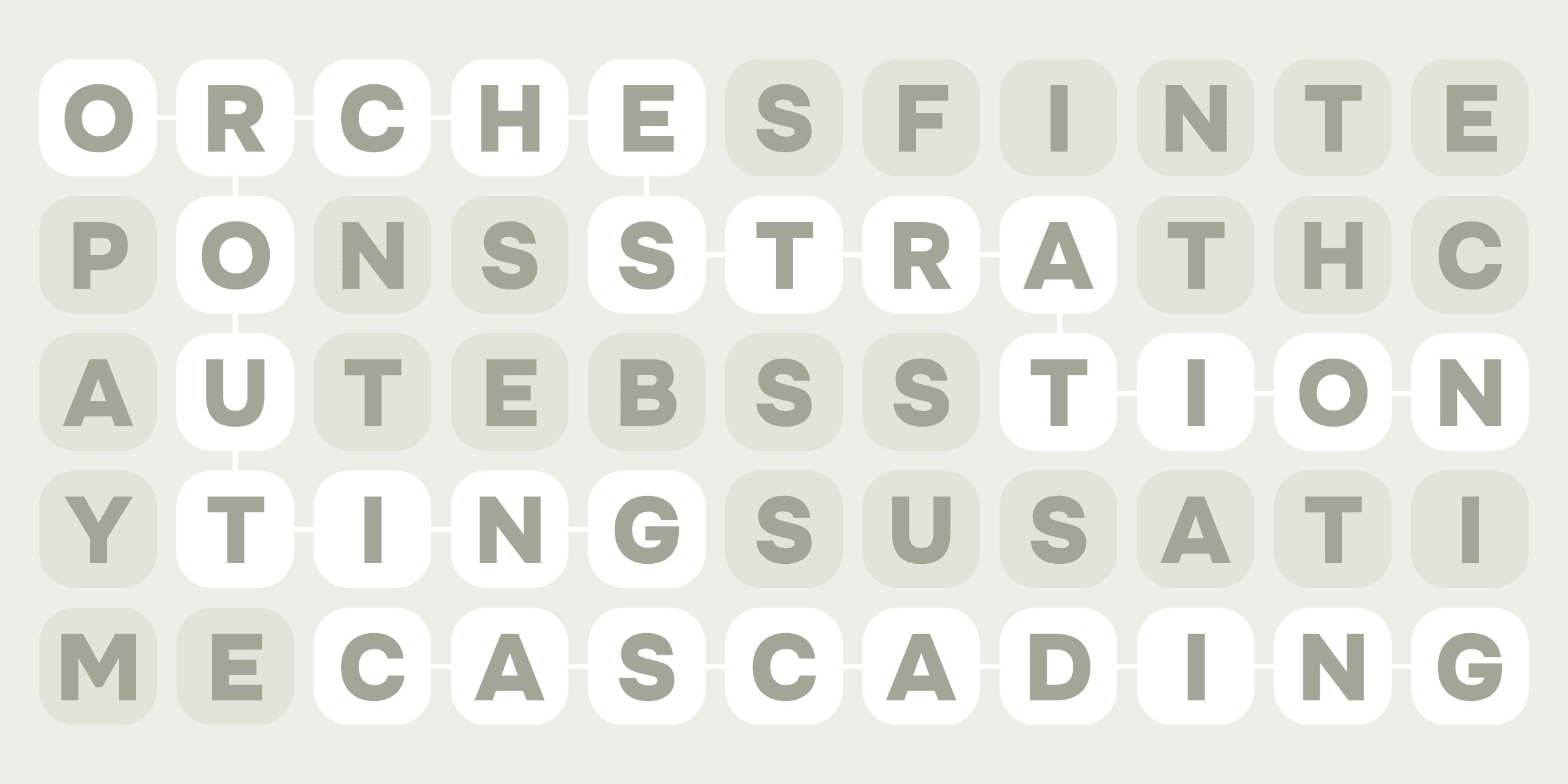
Hi, this is Sensus CTO and I'm glad to see you scrolled enough to read this blog about payments. That means you're interested – and I'll try my best not to disappoint or let you bored. If you're new in fintech corner, a lot of terms may seem like a mumbo-jumbo stuff or even a marketing buzz. Spoiler alert: no, it's not.
What's payment orchestration?
If we use complex words, but be short, payment orchestration is the centralised management of multiple payment providers and workflows through a unified platform. Instead of integrating separately with individual gateways and processors, a merchant connects once to an orchestration layer. From there, internal logic directs every transaction, while security, reporting and compliance are standardised across providers. That's what we do in Sensus – read our CEO's blog to know more.
This approach isn't niche. The market for payment orchestration platforms is expanding rapidly, with adoption driven by rising transaction volumes and the complexity of managing diverse payment methods, local regulations and geographical preferences. Here's what the data shows: according to this freshly updated paper, in 2023, digital transactions grew by 19% globally, processing over 317 billion payments, and more than half of merchants implementing orchestration reported improved success rates by over 26%. By the end of 2026 it's estimated to be valued at $3,11bln in 2026. Pretty impressive, huh?
So, why this much growth? The main reason – e-commerce and fintech become more mature and complex. Complexity requires system. And payment orchestration brings it putting visibility and control on the spot. Instead of scattered integrations and manual processes, businesses manage approval rates, fraud tools, routing logic and reporting from one place. It's way simpler – saves time, cuts down on mistakes, and makes security and compliance much easier to handle.
Payment routing: the engine of orchestration
If you read our previous article, you know all about payment routing. If not – please, come via this link. So, if routing means directing every transaction through the most efficient pathway, in terms of orchestration it postulates itself as a decision logic inside orchestration. In other words – it determines how each transaction is processed. Without routing, every payment would follow the same processing path regardless of cost, performance or geography.
When routing is applied, rules generally based on performance metrics, region, cost structure, risk profile and customer preference guide each transaction to the "best" processor available at that moment. This is often referred to as smart routing.
In our previous article we talked about measurable business impact of payment routing. By directing payments through more successful or cost-efficient paths, merchants can boost approval rates and lower processing costs. Yes, Sensus can't guarantee you the exact profit numbers, because every business is unique. But increasing your number of successful payments and decreasing the spending you always boost profits. You can really count on that.
Cascading: graceful recovery from failures
Despite careful planning, some transactions fail. For reasons ranging from temporary network issues to issuer-side declines – it happens. We can say 'deal with it', but how about Sensus deal with it instead of you and fix your conversion? This is where cascading comes in. Cascading is the fallback logic inside routing that automatically retries a failed transaction through an alternative provider without manual intervention.
Think of cascading as a secondary safety switch. If your preferred path doesn't work, the system attempts another – and another if needed – until the transaction succeeds or all options are exhausted. This seriously reduces false declines and therefore grows the numbers of completed payments.
Another key figure from a market research mentioned earlier shows that orchestration with cascading logic can reduce failed payments by more than 25% while providing analytics that help businesses refine their strategy over time.
Why these terms matter to your business
None of this is abstract. And do you want to know why? Because payment failures cost real money. According to the PW Consulting review, in cross-border commerce, failures can average over 14% globally, rising as high as 22% in emerging markets due to mismatched payment methods or lack of local acquirers. Cart abandonment can reach 75%, and payment failures are often cited as the primary cause.
Orchestration combined with effective routing and cascading combats these losses by:
- Improving approval outcomes: more successful payments mean more completed sales;
- Reducing processing costs: smart routing selects the most profitable path without sacrificing performance;
- Supporting global scale: orchestrated systems integrate local methods and regional processors, easing expansion without adding engineering overhead;
- Increasing resilience: cascading enables automatic recovery from outages or declines, protecting revenue and customer trust
Sensus highlight
So, today's lessons learned are the basic understanding of the difference and connectivity between three major terms and metrics. Together, these capabilities make your operations smoother, get more payments approved and secure your revenue, especially in global and high-volume environments. Over time, they make payments what they should be when things go according to the plan – a strategic advantage: a precise and resilient instrument, aligned with your business goals.
Book a Free Demo
and Make Sensus Happen
See how Sensus can power your business


Sensus © 2026.
All rights reserved